ServicesReverse Osmosis Systems
Reverse Osmosis Systems in Kyle
We install under-sink reverse osmosis systems that give you a separate tap of filtered water for drinking, coffee and cooking. We test your water first, so you know what the system will remove, how often the filters need changing and what that upkeep will cost.
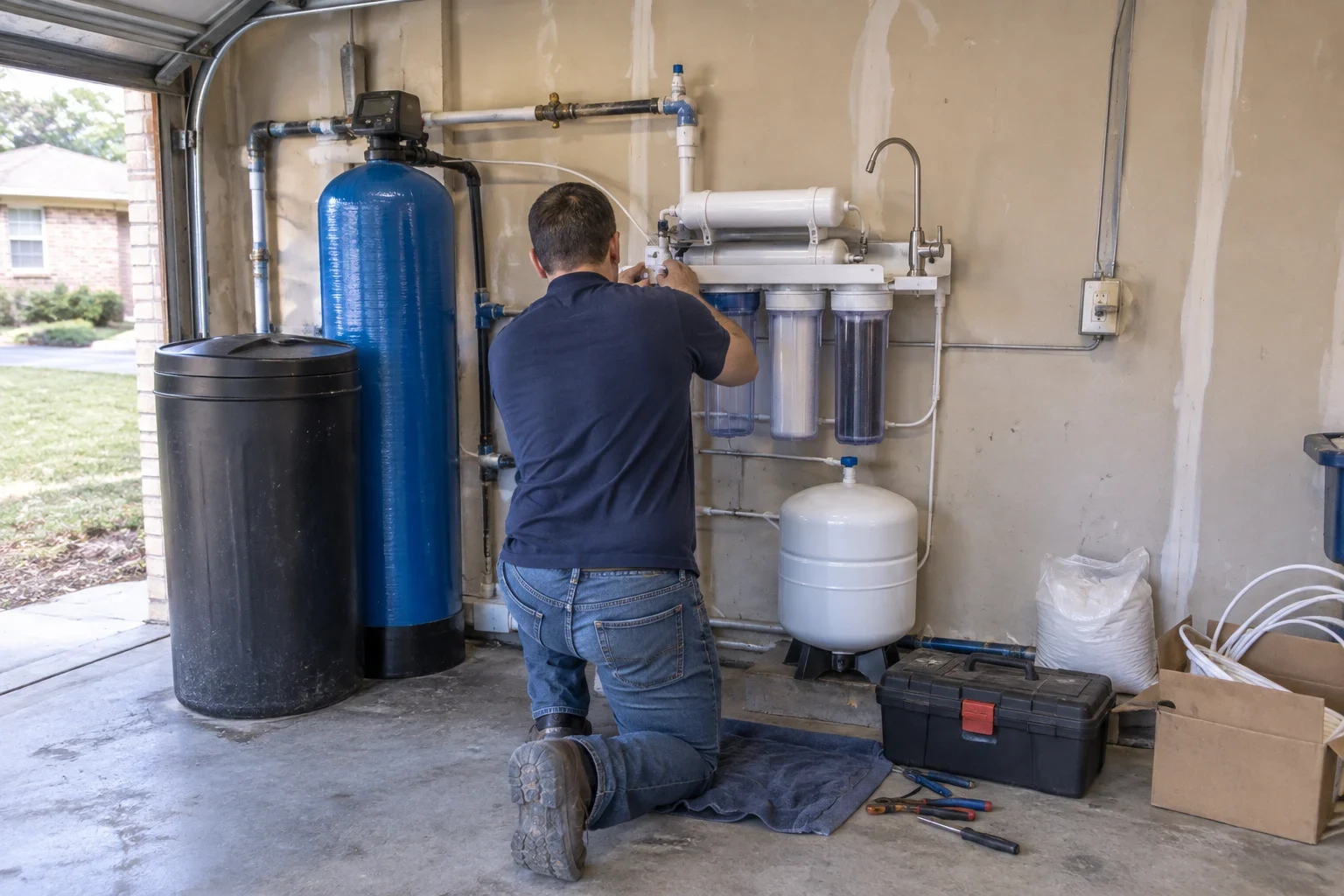
What a Reverse Osmosis System Does
Reverse osmosis forces your water through a very fine membrane. Most dissolved solids can't pass through it, and the system flushes them out to the drain line. The treated water fills a small storage tank under your sink and feeds a faucet of its own.
An RO unit only serves the tap it is hooked to. Your drinking and cooking water gets treated, while the shower, laundry and dishwasher keep running on regular supply. If you want every line in your home covered, look at whole-home filtration or a water softener. Plenty of families pair the two: one system protects the plumbing, the RO handles the glass on the table.
The right time to put one in is before your kettle is crusted over or you are hauling cases of bottled water from the store every week. A test now tells you which setup fits and what it will cost to run over the next few years.
What Comes With Your RO Install
Sediment and carbon prefilters
These catch sand, rust flakes and chlorine before the water reaches the membrane. Chlorine damages RO membranes, so this stage protects the most expensive part of the system.
The RO membrane
This is the part that does the real work. It removes most dissolved minerals, salts and metals such as lead. How long it lasts depends on how hard your water is, which is one reason we test first.
Storage tank and polishing filter
Filtered water collects in a pressurized tank under the sink. A final carbon filter cleans up any taste the water picked up sitting in the tank.
Dedicated drinking faucet
We mount a small faucet next to your kitchen tap. An open sprayer or soap hole saves a step. Where there is none, we cut a new opening in the sink or counter with a bit made for stone or quartz.
Optional fridge and ice maker line
We can tee off the RO and run tubing over to the refrigerator. That way the ice maker and the door dispenser pull the same treated water you get at the sink.
A written filter schedule
You get a list of every filter, when it is due and what it costs to replace. No guessing, and no surprise bill when the water starts tasting off.
Signs an RO System Makes Sense
You buy a lot of bottled water
If cases of water are a regular grocery item, an RO tap usually ends that habit. Over a few years the filter costs are easy to plan for.
Your drinking water tastes or smells off
A chlorine or mineral taste in tap water is common. RO with carbon stages takes most of it out.
White crust in the kettle or coffee maker
That scale is dissolved minerals. RO removes them from your drinking water, and your coffee maker will last longer too.
Older plumbing and lead questions
Homes with older pipes or fixtures can pick up lead between the street and the faucet. RO is one of the better ways to deal with that at the kitchen tap. Test first to see where you stand.
Cloudy ice cubes
High mineral content often shows up as cloudy ice and spots on glasses. A line from the RO to the fridge clears that up.
How the Job Goes
- 1
Free water test
We check hardness, total dissolved solids, chlorine and water pressure at your home. Those numbers decide which prefilters you need and how long your membrane should last.
- 2
Pick the setup
We go over where the tank will sit, where the faucet goes and whether you want a fridge line. You get a written quote with every part listed, plus the filter schedule and replacement costs.
- 3
Install day
We shut off the cold water under the sink, add a feed valve and a drain connection, then mount the filters, tank and faucet. Most installs take a few hours. We clear out the cabinet first and wipe it down when we are done.
- 4
Flush and walkthrough
New filters shed a little carbon dust, so we run the tank empty once or twice before you drink from it. Then we point out each filter, show you the shutoff and tell you when the next change comes up.
What Moves the Price
We do not charge for installation, so your cost depends on two things: the system you pick and what your water actually calls for. The quote also spells out your yearly filter spending, so you can budget for owning the system, not just buying it. These are the items that change the number most.
- Number of stages and add-ons
- Our 5-stage tank reverse osmosis system (sediment, GAC, carbon block, RO membrane and post carbon, with an under-sink storage tank) is the lower-price option; our tankless reverse osmosis system (800 gallons per day, 7 stages) costs more. A remineralizing stage, which adds a little calcium and magnesium back for taste, or a UV stage adds to the cost.
- How hard your water is
- Hard water wears out a membrane faster. In some homes, a softener or salt-free conditioner upstream pays for itself in longer membrane life.
- Water pressure
- RO works best with decent pressure. If your test shows low pressure, a booster pump may be needed to fill the tank at a normal rate.
- Faucet hole and fridge line
- Drilling stone or quartz takes more time than using an existing hole. A long run to the refrigerator adds tubing and labor.
Reverse Osmosis Questions
Something not covered here? (512) 271-2188
Does an RO system waste water?
Yes, some. The membrane rinses what it removes down the drain, so a share of the water never reaches your glass. Newer systems with a permeate pump waste much less. We can go over the options and what they mean for your water bill.
Is it bad to drink water with the minerals taken out?
Most of the minerals in your diet come from food, not water. Some people do prefer the taste with a little mineral content. A remineralizing stage puts a small amount back if that matters to you.
How often do the filters need changing?
Prefilters and the polishing filter are usually changed about once a year, sometimes sooner with harder water. The membrane lasts longer, often a few years. Your written schedule lists each one with its cost so you can plan ahead.
What warranty comes with an RO system?
Our own warranty covers the systems we install: a lifetime warranty on tanks and ceramic discs, 5 years on the control valve, circuit board and filter media, and 1 year on labor. We will show you which parts fall under each term when we install.
Do I need a softener too?
Not always. If your test shows hard water, protecting the membrane with a softener or conditioner can make sense. If it does not, the RO alone is enough for drinking water.
Can it go somewhere other than the kitchen?
Yes. A wet bar or bathroom sink works if there is cabinet room for the tank. Some homes put the system in a basement or garage and run a line up to the faucet.
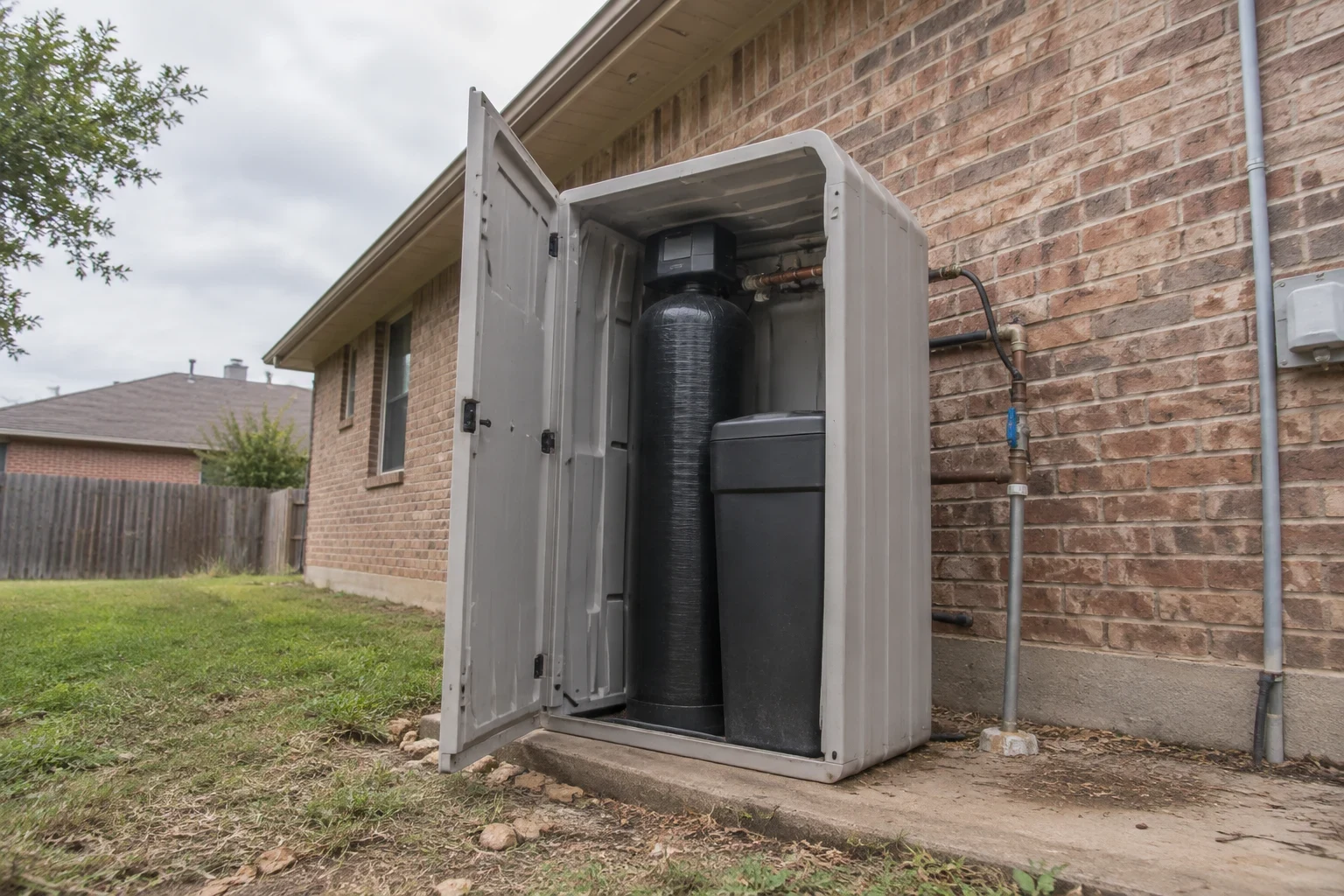
Plan Your RO System Before You Buy Another Case of Water
We test your water at no charge, tell you which system fits and lay out the yearly filter costs. Get your quote by phone and pick an install day that suits you.