ServicesIron and Sulfur Removal
Iron and Sulfur Removal in Kyle
Orange stains in the tub. A rotten-egg smell when you run the tap. Both come from what's dissolved in your water, and both can be fixed. We test first, tell you what's there and how much, then install a filter that matches it.
What this work fixes
Iron leaves rust-colored stains on sinks, toilets, laundry and the driveway where the sprinkler hits. Sulfur, in the form of hydrogen sulfide gas, gives water that rotten-egg smell. They often show up together, and a regular sediment or carbon filter won't hold up against either one for long.
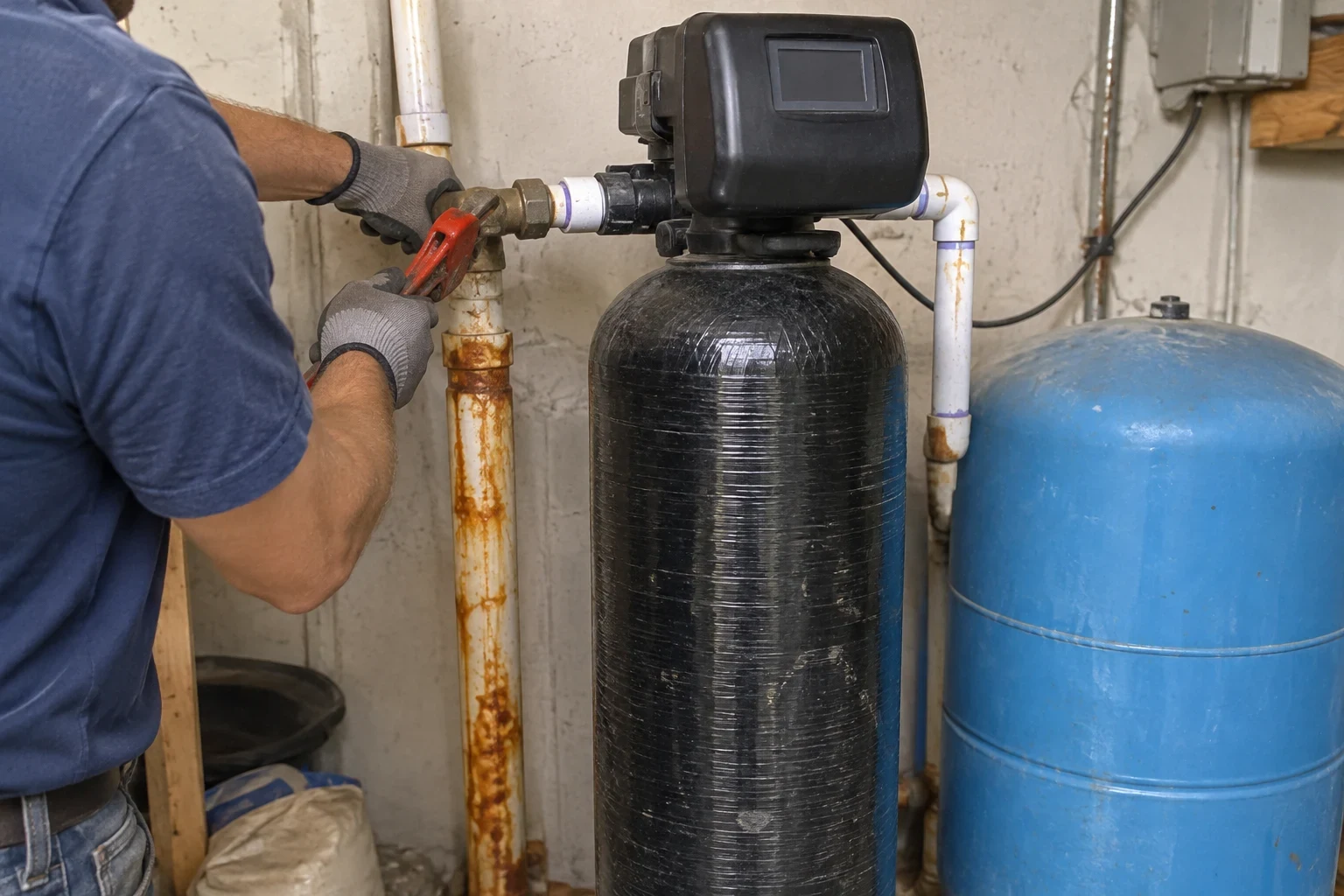
The fix is a filter that turns dissolved iron and sulfur into solid particles, traps them, and then rinses itself clean on a schedule. Most of the systems we put in use an air pocket or a special filter media to do that. Heavier loads may need a stronger oxidizer.
The best time to deal with it is before the stains set in for good and before scale and rust start working on your water heater and fixtures. Planning ahead lets you pick the right system and budget for it, instead of buying whatever is on the shelf after a bad week.
What's included
- 01
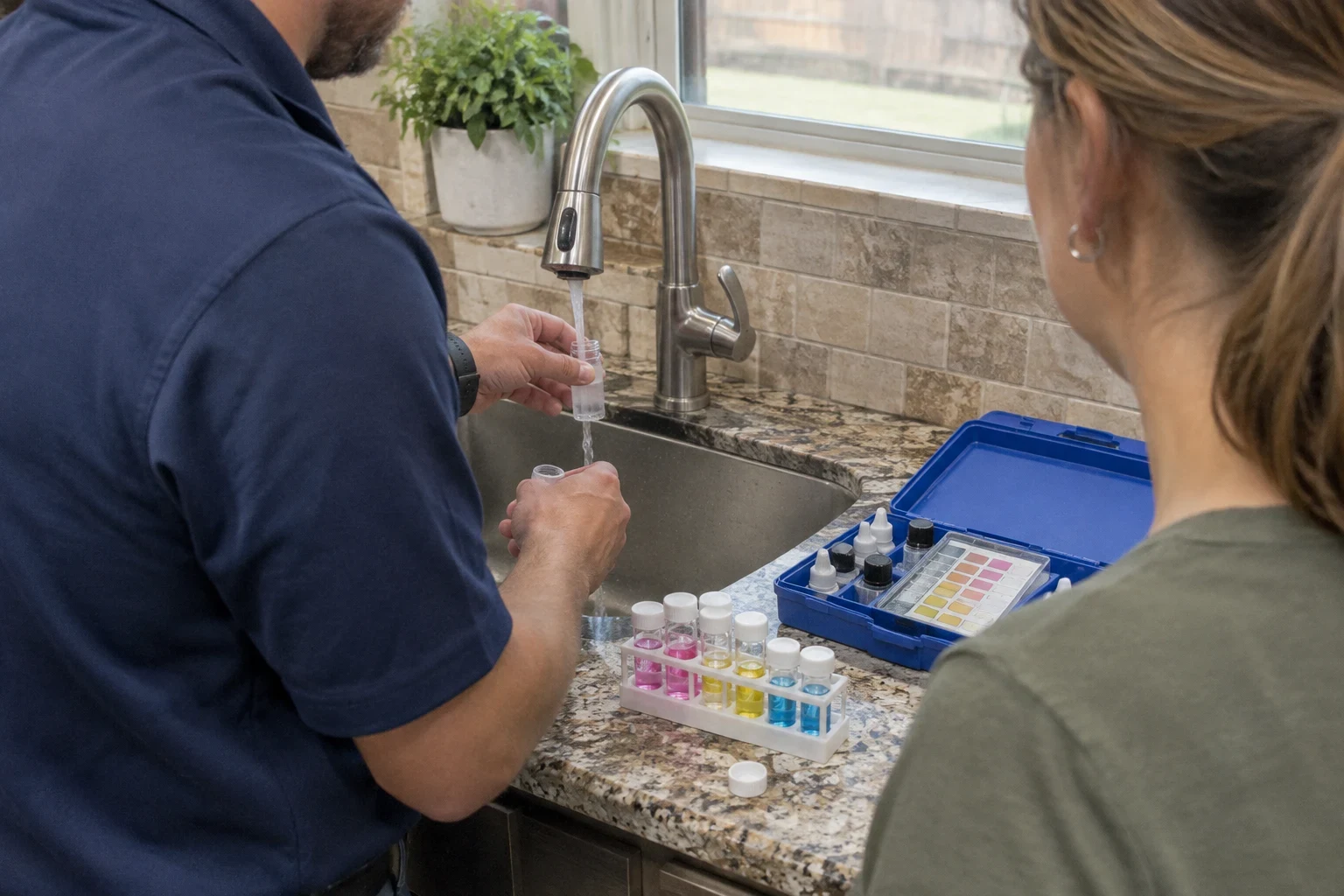
A water test before anything else
We check iron, hydrogen sulfide, pH and hardness. Those numbers decide which filter works and which one will clog in a month.
- 02
An honest read on the source
If the smell only comes from the hot side, the cause is often inside the water heater, not the water supply. We'll tell you that rather than sell you a filter you don't need.
- 03
A filter sized to your home
We size it to your flow rate and how many bathrooms you run at once, so pressure stays steady when the shower and washer are both going.
- 04
Free installation
Installation is free. We set the system at the main line, add a bypass valve so you can shut it off for service, and run the backwash drain.
- 05
Setup and a walkthrough
We program the backwash cycle for your water and show you the bypass. You'll also get a plain answer on when the media will need attention.
- 06
Our warranty
The systems we install carry our own warranty: a lifetime warranty on tanks and ceramic discs, 5 years on the control valve, circuit board and filter media, and 1 year on labor.
Questions about Iron and Sulfur Removal?
Call(512) 271-2188Signs you have iron or sulfur in your water
Orange or brown stains
Rings in the toilet bowl, streaks under faucets, and stains that come back a week after scrubbing. That's iron settling out as it meets air.
Rotten-egg smell
You notice it most when you first turn on a tap or step into the shower. Hydrogen sulfide can be smelled at very low levels.
Yellowed whites in the laundry
Iron grabs onto fabric. Bleach can make it worse by setting the stain.
Water that clears after sitting
A glass that looks clear at first, then turns cloudy or rusty after a few minutes, points to dissolved iron.
Black specks or slime
Dark residue in the toilet tank or on fixtures can mean sulfur or iron bacteria. Those take a different approach, which the test will show.
How the job goes
- 1
Free water test
We come to your home, draw samples from the right taps, and check iron, sulfur, pH and hardness. You see the numbers with us.
- 2
A written recommendation
We explain what the test found, which system fits, and the upkeep that comes with it. If a filter isn't the answer, we say so.
- 3
Install day
Plan on us being there for a good part of the morning or afternoon. You'll be without water for a stretch while we tie in. We lay down floor protection, connect at the main line, and run the drain line for the backwash.
- 4
First cycle and cleanup
We run a backwash, flush the lines and check for leaks. Then we clean up and show you how to use the bypass.
What moves the price
Installation is free, so the cost comes down to the equipment your water needs. Two homes with the same smell can need very different systems. The test is what tells us which one you'll need, and you get the quote before any work is scheduled.
- How much iron and sulfur
- Low levels can be handled by a simple air-injection filter. Higher levels may call for a bigger tank or a stronger oxidizer.
- Iron bacteria
- If bacteria are part of the problem, the system needs a treatment step to handle them, which adds equipment.
- Size of your home
- More bathrooms and more people mean a higher flow rate, and that means a larger tank and valve.
- Other water issues
- If the test also shows hardness, you may want to pair the filter with water softener installation. We'll lay out both so you can plan the order and spread the cost if you like.
Iron and sulfur removal questions
Will a water softener take out iron?
A softener can handle small amounts of dissolved iron. Past that, the iron fouls the resin and the softener stops working well. A dedicated iron filter is the better tool when the test shows real iron levels.
The smell is only in my hot water. Do I need a filter?
Maybe not. A hot-only smell often comes from a reaction inside the water heater. We'll check both sides during the test and tell you which it is before you spend anything.
How much upkeep does an iron filter need?
Most systems rinse themselves on a timer, usually overnight. The media wears down over the years and has to be replaced. How soon depends on how much iron and sulfur you have, and we'll give you a rough schedule so the cost doesn't catch you off guard.
Does an iron filter drop the pressure at the tap?
It shouldn't if it's the right size. We match the tank and valve to how much water your home moves at once, so the shower stays strong while the washer runs.
Will the filter get rid of stains that are already there?
No. It stops new stains from forming. Existing stains on fixtures and laundry need a cleaner made for rust, and once the iron is out of the water they stay gone.
Find out what's in your water
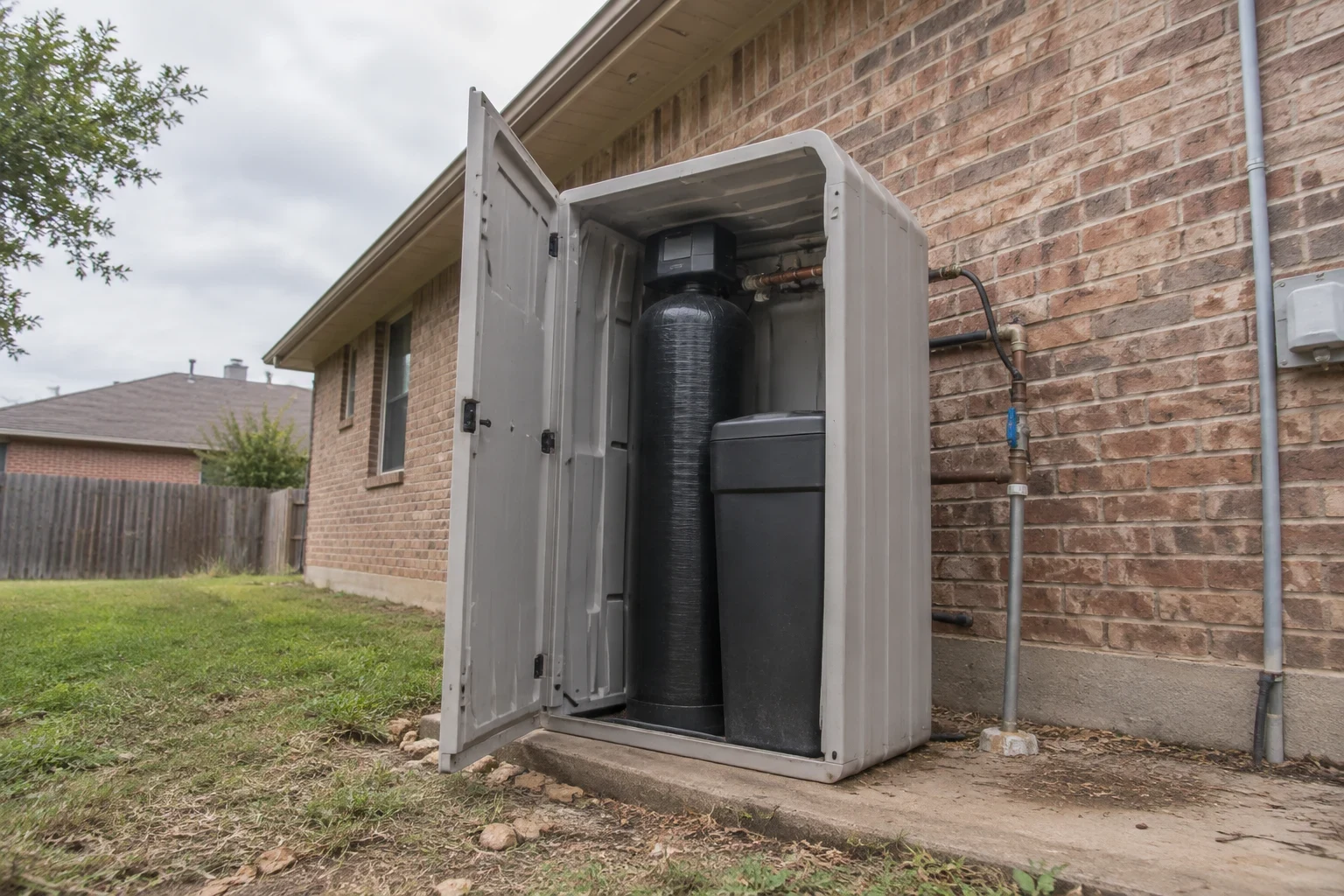
Start with a free water test. You'll know your iron and sulfur levels, which system fits, and what it costs before you commit to anything.