Is It Okay to Drink Well Water That Smells Like Sulfur in Kyle?
That rotten egg smell is common in well water, and it is worth understanding before you decide to ignore it or panic over it.
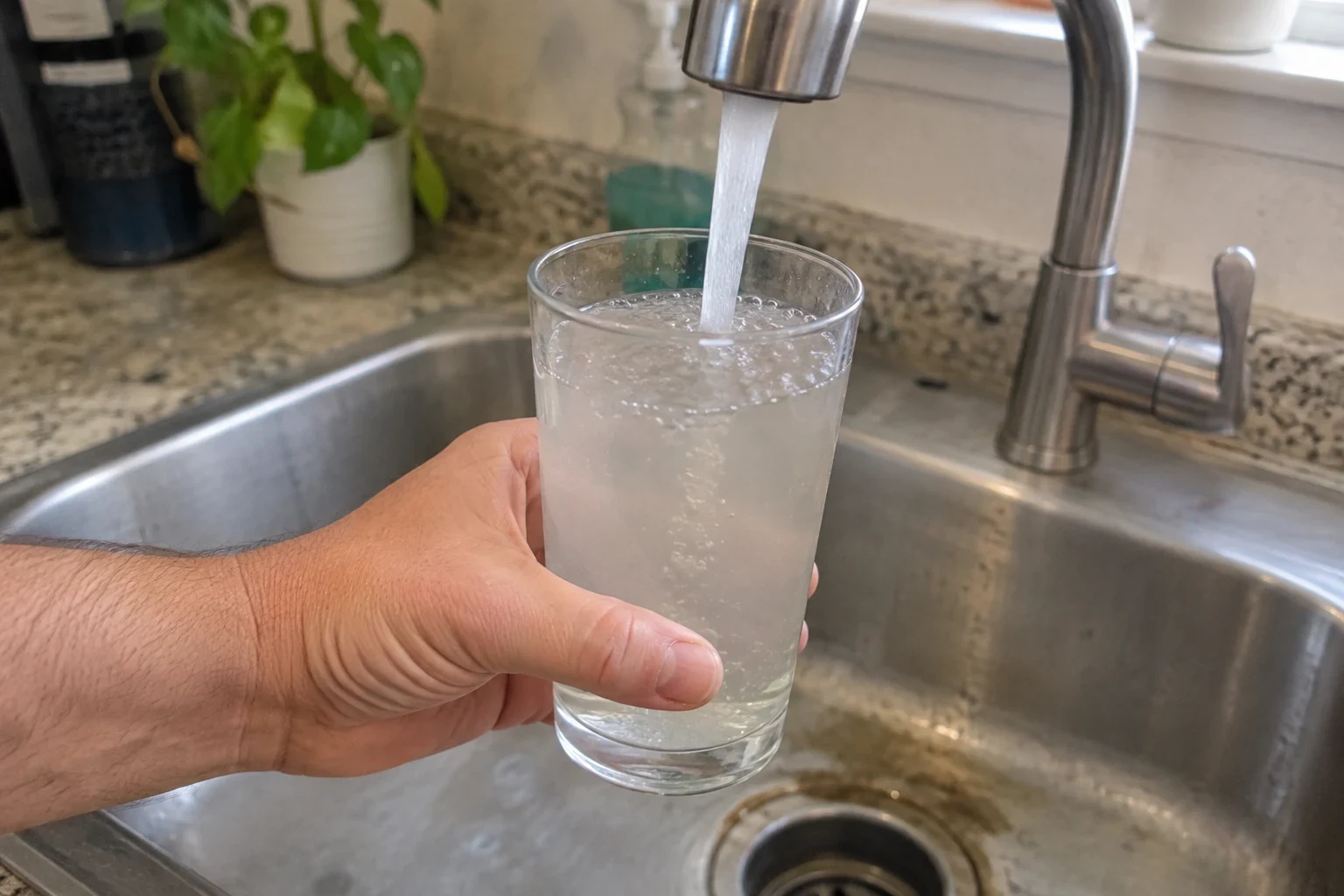
Is it okay to drink water if it smells like sulfur coming from my well?
Usually, yes. The rotten egg smell is hydrogen sulfide, and at typical well levels it is more nuisance than health risk. But smell can't tell you if bacteria or other problems are in the water too, so test first. Ask for a free water test at (512) 271-2188.
What causes the rotten egg smell in well water?
The smell comes from hydrogen sulfide, a gas that dissolves in groundwater. Your nose picks it up at very low levels, which is why a little of it can make a whole kitchen smell bad.
Most of the time it forms underground. Certain bacteria live in wells and rock where there is little oxygen, and they turn natural sulfate into hydrogen sulfide. Some wells just sit in rock that gives off the gas.
There is one more common source, and it is not the well at all. If only your hot water smells, the water heater is the likely cause. The metal rod inside the tank can react with sulfate in the water and make the gas right there. A quick check at the cold tap and the hot tap tells you a lot.
- Smell at both hot and cold taps: likely the well or the groundwater.
- Smell at hot taps only: likely the water heater.
- Smell only when water first runs, then fades: gas building up in pipes or the pressure tank.
- Smell at one faucet only: could be that drain, not the water.
When should a sulfur smell make you stop drinking the water?
Hydrogen sulfide on its own is mostly a taste and smell problem at the levels found in home wells. The real concern is what else might be going on. A smell that shows up suddenly, gets much worse, or comes with other changes means something in the well has shifted.
Until you have a test result, it is reasonable to use bottled water for drinking and cooking if any of the signs below show up. That is a cheap, short-term step, not a long-term plan.
- The smell appeared suddenly or got much stronger after heavy rain.
- The water looks cloudy, slimy or dark.
- Anyone in the house has an upset stomach that lines up with the change.
- Recent work was done on the well, the pump or nearby land.
- The well cap is cracked or the area around it floods.
What should a water test check for?
A smell test at the sink only tells you there is sulfur. A proper test tells you how much, and whether it is traveling with anything else. That matters because the right fix for hydrogen sulfide alone is different from the fix for sulfur plus iron plus bacteria.
When we test, we look at the items below and walk you through the numbers in plain terms. You see what is in your water before anyone talks about equipment.
- Hydrogen sulfide level
- Total coliform and E. coli bacteria
- Iron and manganese, which often show up with sulfur
- pH and hardness, since both change which systems will work
- Sulfate, which can cause a laxative effect at high levels
How do you plan and budget for a sulfur fix?
The best time to deal with sulfur is before it starts costing you. Hydrogen sulfide is hard on metal. Over time it can blacken copper, tarnish silverware, leave dark stains on fixtures and wear down a water heater. Fixing the water on your schedule beats replacing parts on theirs.
The fix depends on the test. Light sulfur may only need a catalytic carbon filter. Heavier sulfur, or sulfur with iron, usually calls for an air injection or oxidizing filter that turns the gas into something the filter can catch and flush away. If bacteria show up, UV water purification may be part of the plan.
A few things move the cost: how strong the sulfur is, whether iron or bacteria are in the mix, how much water your household uses, and how much room there is near the pressure tank. Central Texas summers can make the smell stronger, since warm water lets the gas come out faster. If the smell bothers you now, plan the work before the hot months instead of during them.
More questions about sulfur smell in well water
Is it safe to shower in water that smells like sulfur?
For most people, yes. The smell is unpleasant but showering in it is generally not a health concern at household levels. If the smell is strong enough to bother your eyes or throat, open a window and get the water tested soon.
Will boiling the water get rid of the smell?
Boiling can drive off some of the gas, but it does nothing for iron or most other minerals. It is a short-term trick, not a fix.
Will a water softener remove the sulfur smell?
Not on its own. A softener handles hardness, not hydrogen sulfide. Sulfur needs its own filter, and the test tells us which kind.
Does shocking the well with chlorine fix it for good?
Shocking can knock back the bacteria that make the gas, so the smell may fade for a while. It often returns, which is why many homes in Kyle end up adding a filter after testing.
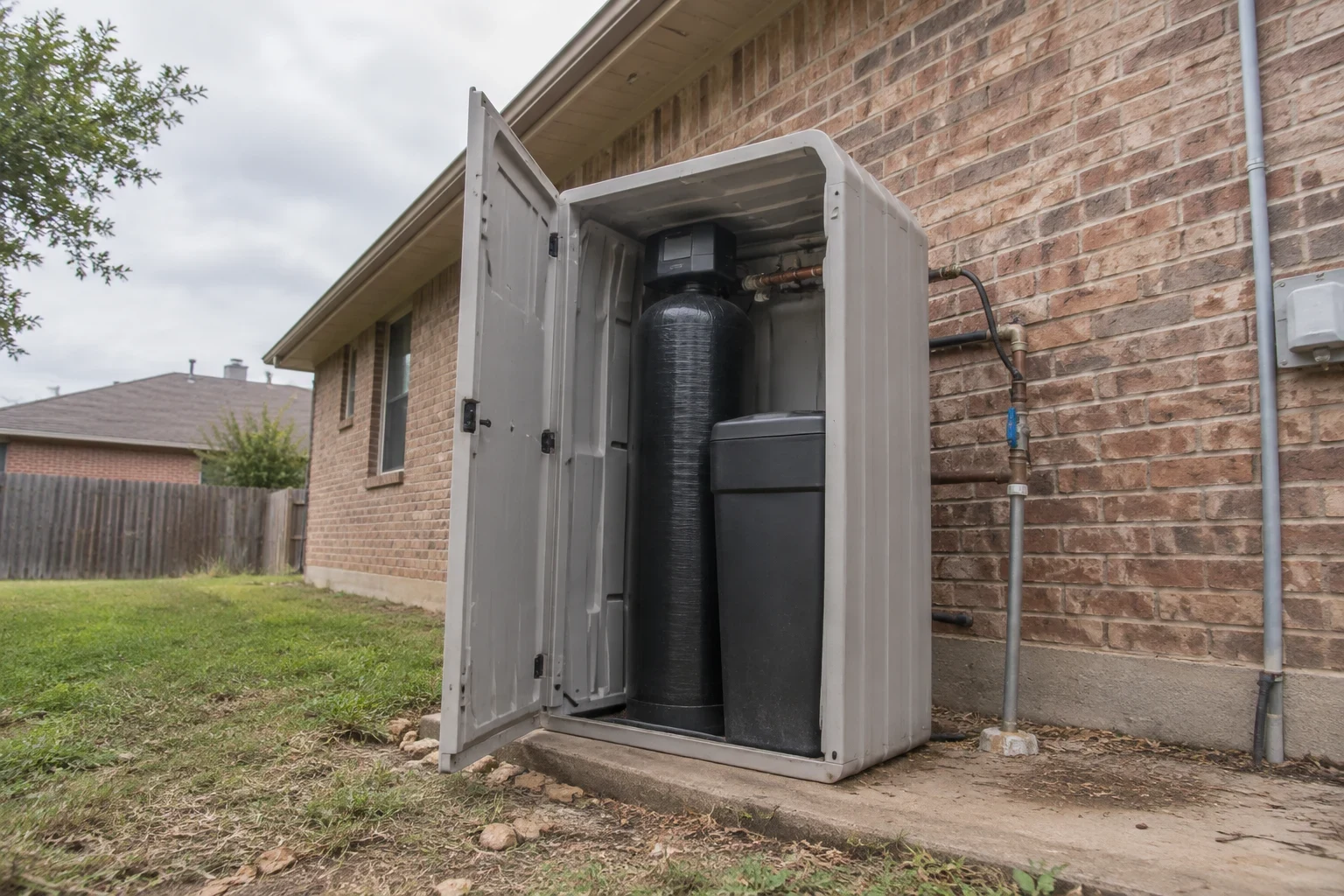
Find out what is behind the smell
We test your well water at your home, explain the results in plain language and lay out your options so you can plan the work on your schedule. Installation is free if you go ahead with a system.